How to Remove Mold from Drywall and Prevent It from Coming Back
Description
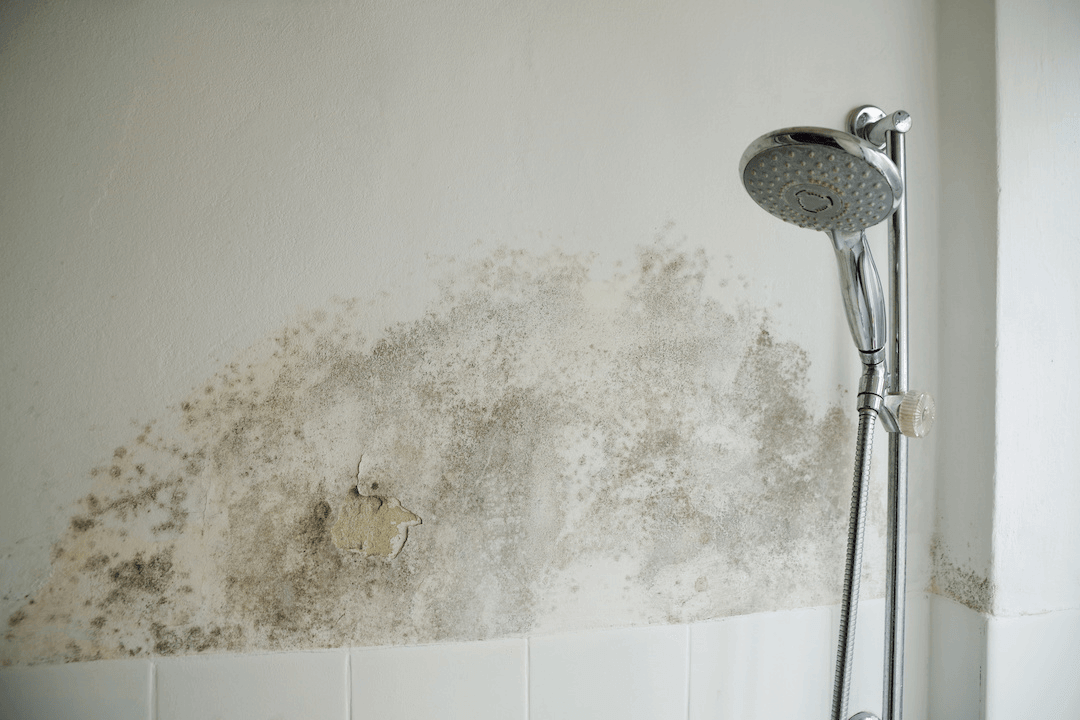
Discovering mold on your walls is every homeowner’s nightmare. It doesn’t just look unpleasant, it can cause serious structural and health problems if ignored. Drywall is especially vulnerable because it absorbs moisture easily, creating the perfect environment for mold growth. If you’re wondering how to remove mold from drywall safely and effectively, this guide will walk you through each step from identifying the type of mold to cleaning and preventing it from coming back.
- Black Mold (Stachybotrys chartarum): Dark green or black and often slimy in texture, this toxic mold releases mycotoxins that can cause respiratory issues and headaches.
- Aspergillus: Common in bathrooms and kitchens, this mold is powdery and comes in many colors, including yellow, brown, or black.
- Penicillium: Appears blue or green and spreads quickly. It’s often found in damp basements, on wallpaper, and around insulation.
- Alternaria: A fuzzy, olive-green mold commonly found in laundry rooms, showers, and window frames due to constant humidity.
If you’re unsure about the type, it’s best to consult professionals, who can safely test and treat it.
Health Risks of Mold on Drywall
Mold doesn’t just damage walls, it impacts indoor air quality and your family’s health. Spores can become airborne and spread throughout the home via HVAC systems.
Common symptoms include:
- Sneezing, coughing, and congestion
- Eye and throat irritation
- Headaches or fatigue
- Worsened asthma or allergies
Prolonged exposure to black mold (Stachybotrys chartarum) may cause more severe reactions, especially in children, the elderly, or those with weakened immune systems. You can also check out How to Clean Up Black Mold on Walls and Different Surfaces.
How to Remove Mold from Drywall: Step-by-Step
If the affected area is small (less than 10 square feet), you can handle it yourself with caution. For larger infestations, structural damage, or strong musty odors, professional remediation is recommended.
Step 1: Safety First
Before you start, protect yourself from airborne spores. Wear gloves, goggles, and an N95 respirator to avoid inhaling mold particles. Ensure the room is well-ventilated, and close off nearby vents connected to HVAC systems to prevent mold from spreading through ducts.
Use plastic sheeting or tape to seal the affected area if possible.
Step 2: Inspect and Assess the Damage
Determine how far the mold has spread. If the mold has deeply penetrated the drywall, it may need to be replaced. Check for water sources such as leaks or condensation that must be fixed before cleaning.
Step 3: Vacuum Loose Spores
Use a HEPA-filtered vacuum to remove loose mold spores and debris from the wall’s surface. This type of vacuum traps even the smallest particles, preventing them from re-entering the air. Dispose of the vacuum bag or contents immediately after use.
Step 4: Clean the Mold with Effective Solutions
Now it’s time to clean the mold using safe and effective methods. Avoid dry scrubbing, as it can release spores into the air.
How Professionals Handle Mold on Drywall
If the infestation covers a large area or involves toxic species like Stachybotrys chartarum, call professional mold remediation specialists.
- Containment: They isolate the contaminated area using plastic barriers and negative air pressure to stop spores from spreading.
- Air Filtration: A HEPA air filtration system continuously cleans the air during remediation, removing microscopic spores.
- Safe Removal: Contaminated drywall is safely removed, bagged, and disposed of according to environmental safety standards.
- Cleaning and Treatment: Professionals use approved disinfectants and mold inhibitors to eliminate spores from nearby surfaces.
- Restoration: The area is fully dried and rebuilt to restore your home safely and efficiently.
Professional remediation is especially important when mold has spread into insulation, ceilings, or air ducts.
How to Prevent Mold from Returning
Even after successful cleaning, mold can come back if the root cause isn’t addressed. Prevention requires controlling moisture and maintaining proper ventilation throughout your home.
1. Control Humidity
Use a dehumidifier in basements, laundry rooms, and bathrooms to maintain indoor humidity below 60%.
2. Improve Air Circulation
Install exhaust fans in kitchens and bathrooms. Open windows regularly to allow fresh air circulation, reducing condensation on walls.
3. Fix Leaks Immediately
Address any roof, plumbing, or window leaks promptly. Water intrusion behind walls is the most common cause of hidden mold on drywall.
4. Regular Cleaning
Wipe walls periodically with a mixture of white vinegar and water to prevent mold spores from settling. Focus on humid areas and corners where moisture tends to collect.
When to Call for Professional Mold Remediation
You should contact professionals like The Mold Guys if:
- Mold covers more than 10 square feet
- You notice strong, musty odors
- The mold keeps returning after cleaning
- Family members experience allergy or respiratory symptoms
Experts use specialized tools like HEPA air filtration systems and moisture meters to locate hidden mold, eliminate contamination, and restore your home’s air quality. They ensure a long-lasting solution, not just a surface fix.
Conclusion: Keep Your Drywall Mold-Free for Good
Understanding how to remove mold from drywall is essential for maintaining a clean and healthy home. By using safe cleaners like white vinegar, baking soda, hydrogen peroxide, or Concrobium Mold Control, you can tackle small mold problems effectively.

More from filli2